How Heavy-Duty Towing Works — and When You Need It
Moving a loaded semi or a bus is a different job than towing a sedan. Here's what heavy-duty towing actually involves.
It starts with the equipment
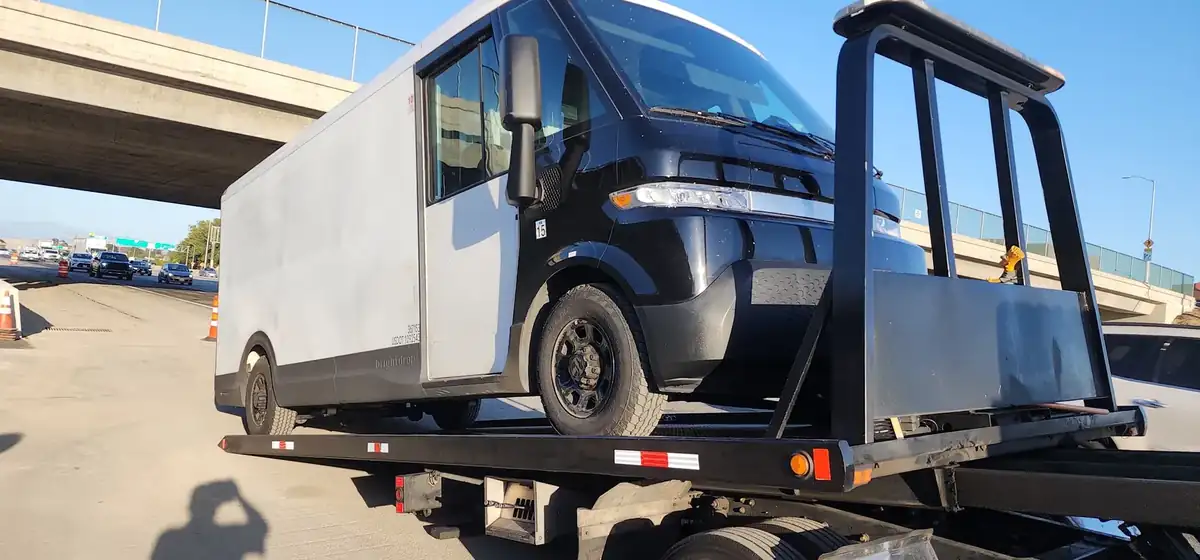
Heavy-duty towing uses wreckers built on much larger chassis, with bigger booms, stronger winches, and higher weight ratings than the trucks that tow cars. This equipment is what allows an operator to safely lift and move semis, buses, and large commercial trucks that can weigh many times what a passenger vehicle does.
Weight, balance, and rigging
The hard part of heavy work isn't just lifting — it's doing it without damaging the vehicle or losing control of the load. Operators calculate weight distribution, choose the right attachment points, and rig the vehicle so it stays stable through turns and stops. On air-braked trucks, they also manage brake and driveline considerations that don't exist on a car.
Recovery is its own skill
When a heavy vehicle is overturned, off the road, or jackknifed, the job becomes a recovery — reading the scene, setting anchors and angles, and winching the vehicle back to a safe, upright, movable state. This is among the most demanding work in the industry and requires both the right gear and experienced hands.
When you need it
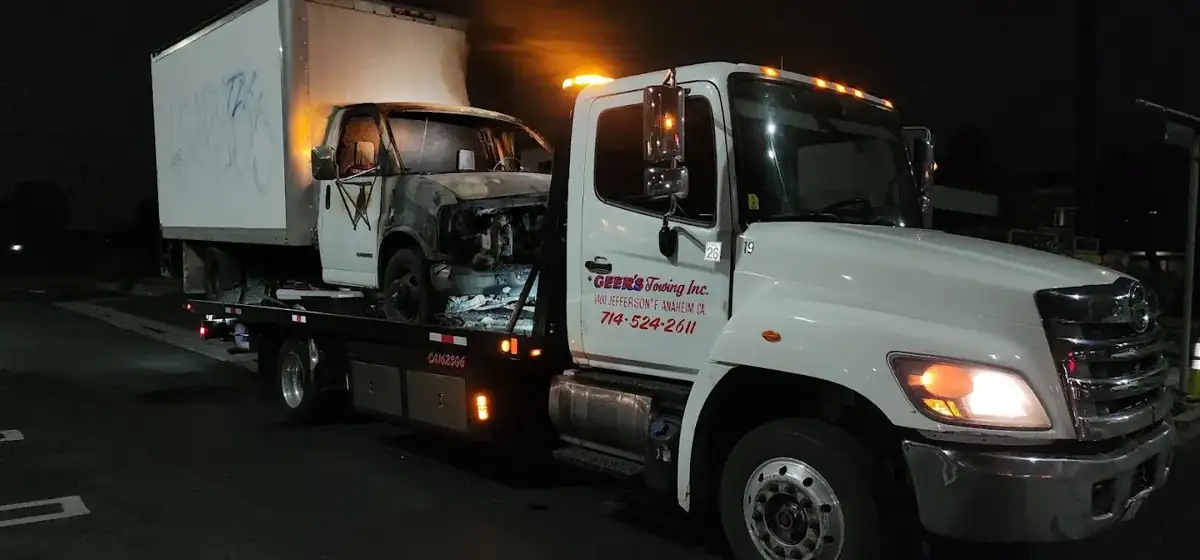
If your vehicle is a semi-tractor, tractor-trailer, box truck, or bus, or if any large vehicle has left the roadway, you need heavy-duty capability. Calling a light-duty operator only costs time. Geer's Towing carries heavy-duty equipment and dispatches it 24/7 — describe your vehicle and situation and we'll bring the right truck.
Put This Advice to Work — or Just Call Us
We're one call away across Orange County, day or night.