Flatbed vs. Wheel-Lift Towing: Which Does Your Vehicle Need?
Both get your car where it needs to go — but for some vehicles, only one is the safe choice. Here's how to tell them apart.
How wheel-lift towing works
A wheel-lift truck uses a metal yoke to cradle two of your vehicle's wheels and lift that end off the ground, while the other two wheels roll along behind. It's quick, maneuverable, and great for tight spots like parking structures. For many front-wheel-drive and rear-wheel-drive cars traveling a short distance, it's a perfectly good option.
How flatbed towing works
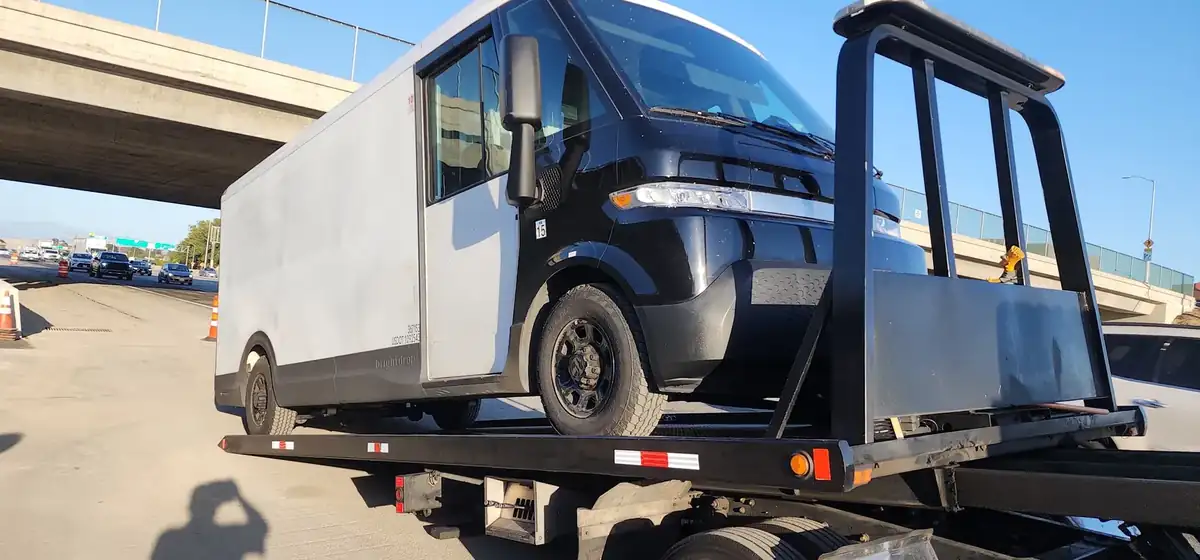
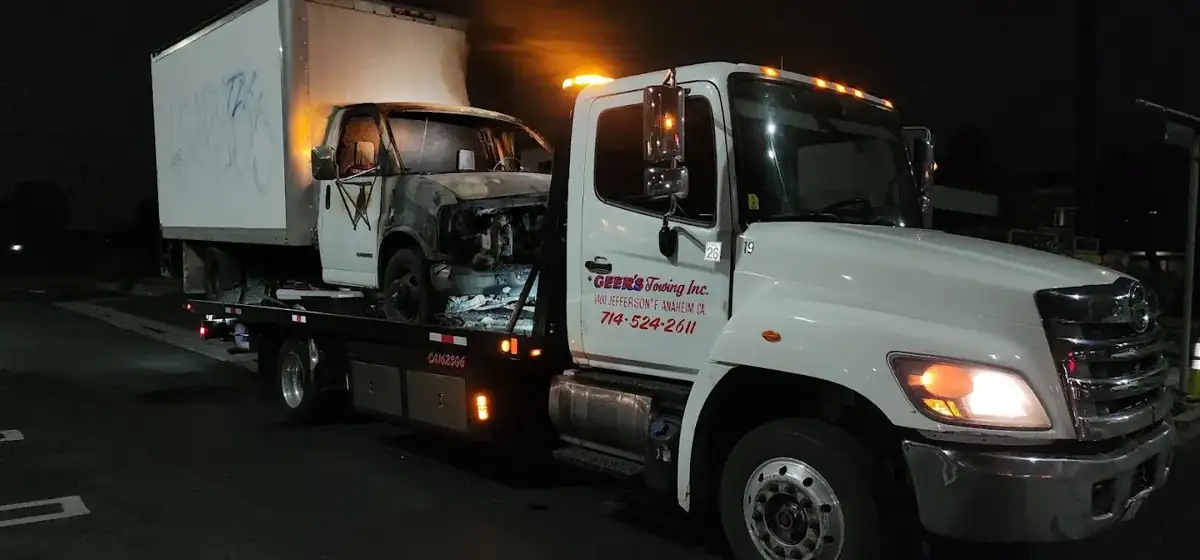
A flatbed (or 'rollback') tilts its bed to the ground so your vehicle can be winched or driven up onto a level deck, then carried completely off the road surface. Nothing drags, the drivetrain never turns, and the vehicle is strapped down securely for the whole trip.
When you need a flatbed
All-wheel-drive and four-wheel-drive vehicles should ride on a flatbed so no wheels are forced to turn. The same goes for electric vehicles, lowered or low-clearance cars, exotics and classics, and any vehicle that can't roll or steer because of a mechanical problem or collision damage. Towing these on their wheels risks expensive drivetrain or bodywork damage.
The bottom line
If you're not sure, ask. When you call Geer's Towing, tell dispatch your vehicle's make, model, and any quirks — AWD, lowered, won't start — and we'll send the right truck. When in doubt, we lean toward a flatbed, because the few extra minutes to load it properly are cheaper than any repair.
Put This Advice to Work — or Just Call Us
We're one call away across Orange County, day or night.